[Problem]
Small commercial aquaculture and agriculture operators were juggling six spreadsheets — pricing in one, enterprise budgets in another, cash flow somewhere else — with no shared engine tying revenue, COGS, overhead, and ending cash together.
[Approach]
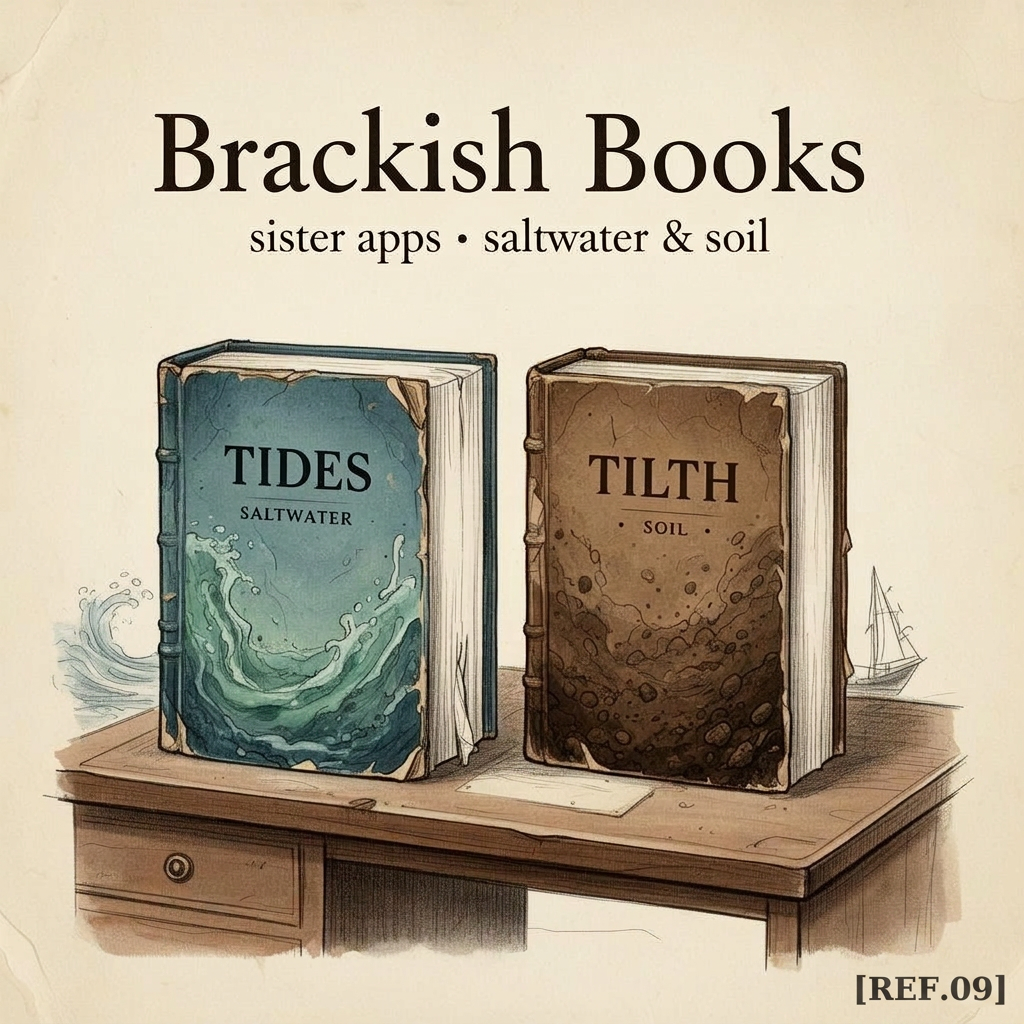
- 01Designed two sister apps under one umbrella — Tides for aquaculture (RAS, ponds, raceways, net pens, shellfish, longlines, kelp, hatcheries, wild harvest) and Tilth for agriculture (mushrooms, market gardens, orchards, vineyards, pasture poultry, ruminants, apiaries, value-added kitchens).
- 02Built a single financial engine shared by both apps: per-product pricing with margin and break-even, system-aware enterprise budget templates, a rolling 12-month cash-flow forecast, and annual projections that back-solve from whichever driver the operator pins (sales, harvest, packaging, or units).
- 03Kept the platform deliberately quiet, with no ads, social feed, messaging, or public user content. The current build uses demo data that stays in the open browser tab rather than persisting a team's financial plan.
[Outcome]
A working two-app platform with a domain toggle, a guided site tour, and demo data for both salt and soil. Operators can move from pricing a single SKU to projecting an entire year without leaving the app or rebuilding a spreadsheet.
[Background]
Brackish Books is two sister apps under one umbrella. Tides serves aquaculture operators — RAS systems, ponds, raceways, marine net pens, shellfish bag-and-rack, longlines, kelp, hatcheries, and wild harvest. Tilth serves agriculture operators — mushroom rooms, market gardens, orchards and berries, vineyards, pasture poultry, ruminants, apiaries, and value-added kitchens.
Both apps share the same financial engine: per-product pricing with margin and break-even analysis, system-aware enterprise budgets, an integrated 12-month cash-flow forecast, and annual projections that tie revenue, COGS, overhead, and ending cash together. Pin one driver — sales, harvest, packaging, or units — and the rest back-solves.
The platform is designed for adults running real operations. No advertising, no social feed, no messaging between strangers, no public user-generated content — appropriate for school, workplace, and managed networks. Built on modern web infrastructure with row-level security so each workspace's records stay scoped to its team.