[Problem]
California aquaculture faculty were teaching overlapping curriculum across institutions with no shared map of who taught what, where the gaps were, or how to collaborate — every term started from scratch.
[Approach]
- 01Came out of a working session with faculty and codified their actual curriculum buckets: husbandry, water quality, life support systems, food systems, business, and industry and internship pathways.
- 02Built a faculty-managed directory so each instructor tags their own specialties and links their own materials — no editorial gatekeeper.
- 03Tied programs, industry partners, and funding organizations into the same surface so workforce-pull and academic-push finally point at the same map.
[Outcome]
A living, faculty-owned database of California aquaculture programs, people, and curriculum — used as the shared roof for ongoing inter-institution collaboration.
[Background]
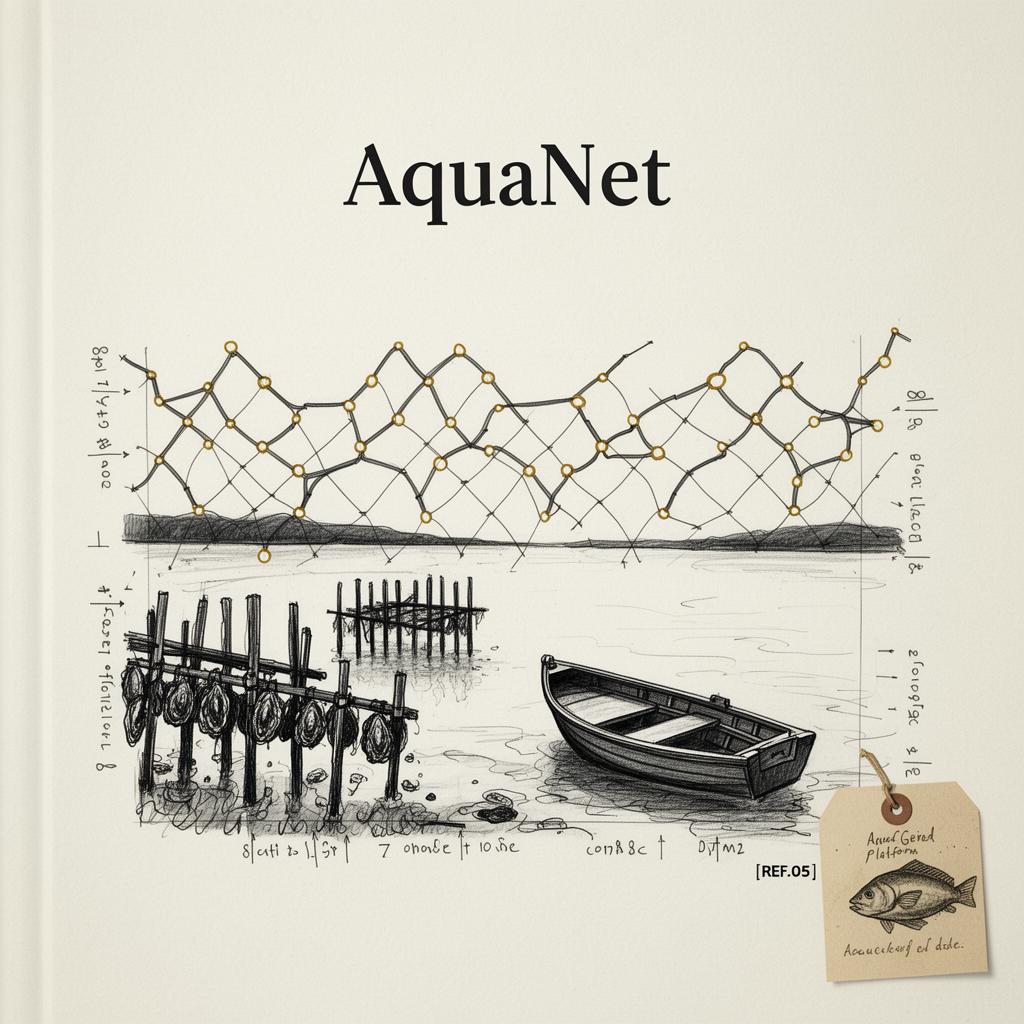
AquaNet came out of a working session of California aquaculture faculty who needed a shared, living database of programs, faculty specialties, and curriculum content — so institutions could see overlaps and gaps and collaborate without starting from scratch each term.
The platform organizes curriculum into the buckets faculty actually teach to — husbandry, water quality, life support systems, food systems, business, and industry/internship pathways — and lets each faculty member tag their specialties and link their materials. Programs, industry partners, and funding organizations sit alongside the people, so workforce-pull and academic-push finally point at the same map.